


KfW Projects in Serbia
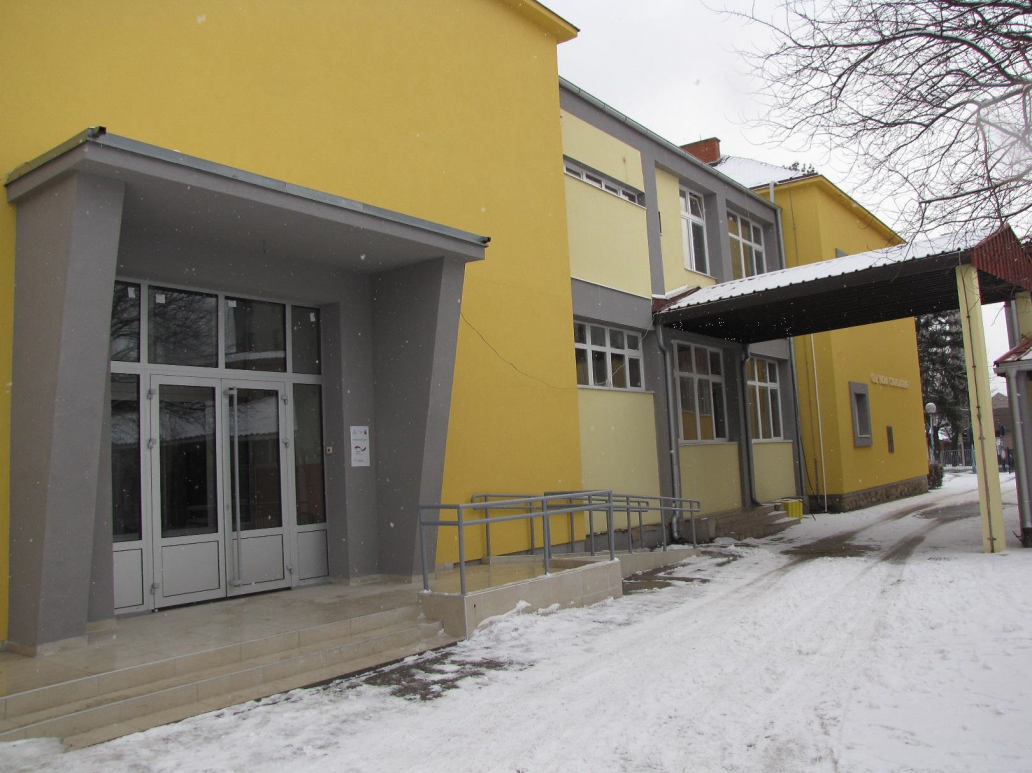
Energy Efficiency in Public Buildings Phases I, II, III and IV
Donor: Federal Ministry for Economic Cooperation and Development (BMZ); EU
Partners: Ministry for Public Investments (MPI)
Project period: since 2014
Challenges
- Many school buildings in Serbia are old, in need of rehabilitation and energetically inefficient.
- Municipalities do not have sufficient financial resources to invest in the rehabilitation of school buildings, so that often only the most urgent measures can be taken.
Approach
-
Improving energy efficiency and learning/working conditions in schools and other buildings participating in the project (outcome). The main development policy goal is to contribute to the sustainable economic development of Serbia, as well as to the protection of the local environment and global climate (impact).
-
Promoting energy-efficient rehabilitation in public buildings; increasing energy efficiency, reducing operational costs, supporting the use of decentralized renewable energy sources in selected cities, strengthening capacities for decentralized public infrastructure projects, and fostering Serbia’s convergence towards the EU (in the context of the energy chapter of the EU acquis).
-
The Program covers the energy-efficient rehabilitation of up to 70 buildings. Investment measures will focus on building insulation (walls, roof, windows, etc.), structural reinforcement where necessary, interior refurbishment, etc. Old and inefficient heating systems will be replaced, and efficient building ventilation solutions will be applied. Wherever possible and justified, rooftop solar power plants will be installed on the reconstructed facilities.
Results
The project will:
-
Increase the energy efficiency of the participating school buildings, improving learning and working conditions in around 70 schools.
-
100% of the covered buildings will meet energy class C in Serbia, or will be improved by at least two energy classes compared to the baseline.
-
Total energy savings based on consumption of 12 GWh per year.
-
Annual CO2 emission reduction of 18,500 tons.